Functional characterization of novel variants relevant to blood coagulation
Next-generation sequencing enables us to determine the genetic basis of inherited coagulation disorders. A wide range of genetic variants can occur in genes involved in blood coagulation. Scientific literature and bioinformatics tools can then be used to assess whether an identified genetic alteration is disease-causing (pathogenic).
Genetic variation is a normal part of the human genome and is usually harmless. It is therefore crucial to distinguish benign variants from pathogenic variants affecting blood coagulation. The greatest challenge in genetic diagnostics is the accurate classification of novel variants or those whose significance has not yet been clearly established. Although bioinformatics predictions can help with this assessment, they are not always reliable. Direct experimental characterization of such variants in the laboratory therefore remains the gold standard.
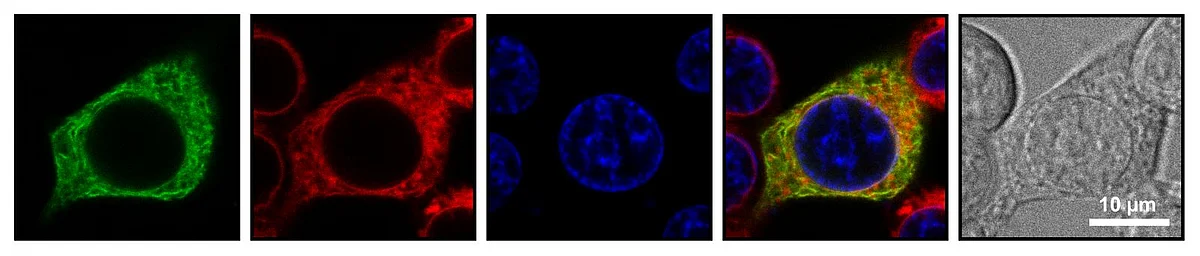
Our research aims to improve our understanding of how specific genetic alterations cause coagulation disorders at the molecular level. To this end, we use human cell lines alongside a broad range of molecular biology methods for functional analysis. By publishing our results, we aim to contribute to a better understanding of rare pathogenic variants affecting blood coagulation.
Your contact